
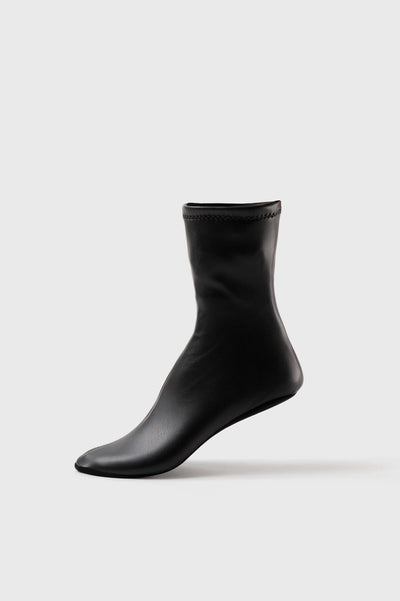
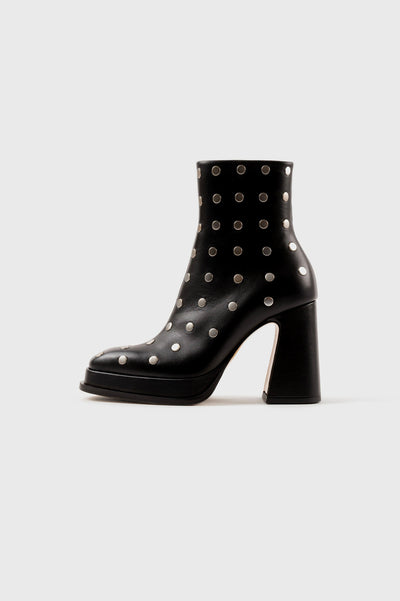
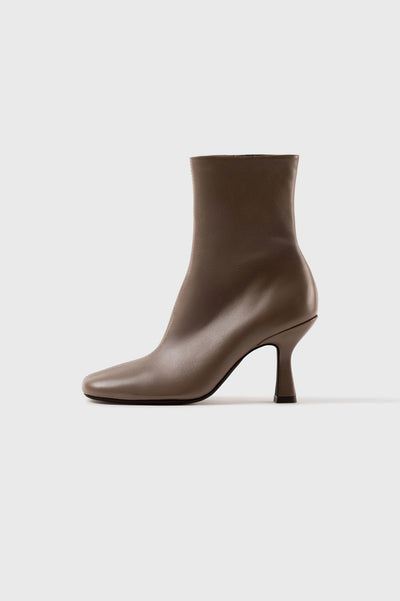
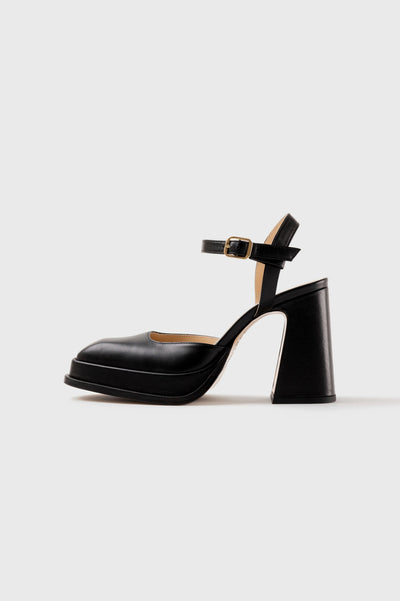
Care guide
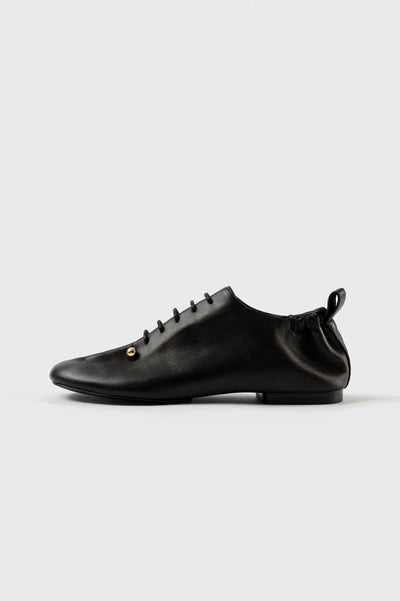
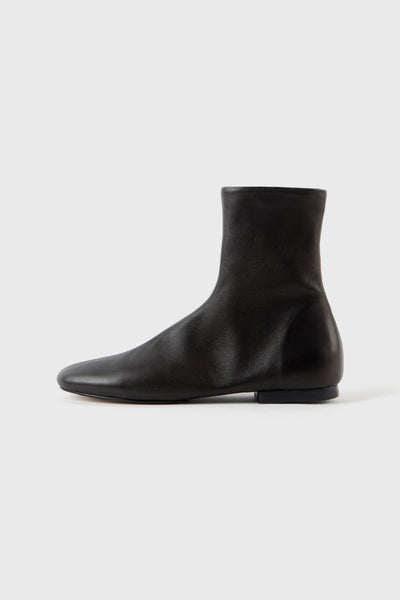
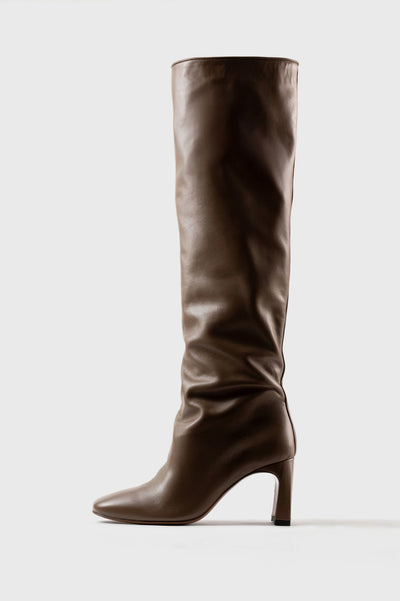
Leather is a noble, living material. Unlike synthetic materials, it calls for particular care: well looked after, our shoes can accompany you for a lifetime. How often you wear them matters as much as how you care for them. For all our pairs, we advise against wearing them several days in a row: leather needs twenty-four hours to dry and regain its shape.
Cleaning
After each wear, remove dust with a soft brush. For a small mark, use a soft, barely damp cloth without rubbing, then let the shoes dry in the open air.
Care
Every four to six weeks, or as soon as the leather looks dry, apply a thin layer of colourless or matching nourishing cream with a soft cloth, in small circles. Leave it to absorb for fifteen minutes, then buff with a clean brush. Always test on a hidden area first.
A light scratch often fades with a polish in the right shade. For metallic leathers or unusual colours, entrust your shoes to a good cobbler.
Wear
If your shoes get wet, fill them with absorbent paper and let them dry in the open air, away from any source of heat.
Storage
Place wooden shoe trees, ideally cedar, or plain tissue paper inside your shoes to preserve their shape. Store them in their dust bag, away from light, humidity and heat.
Cleaning
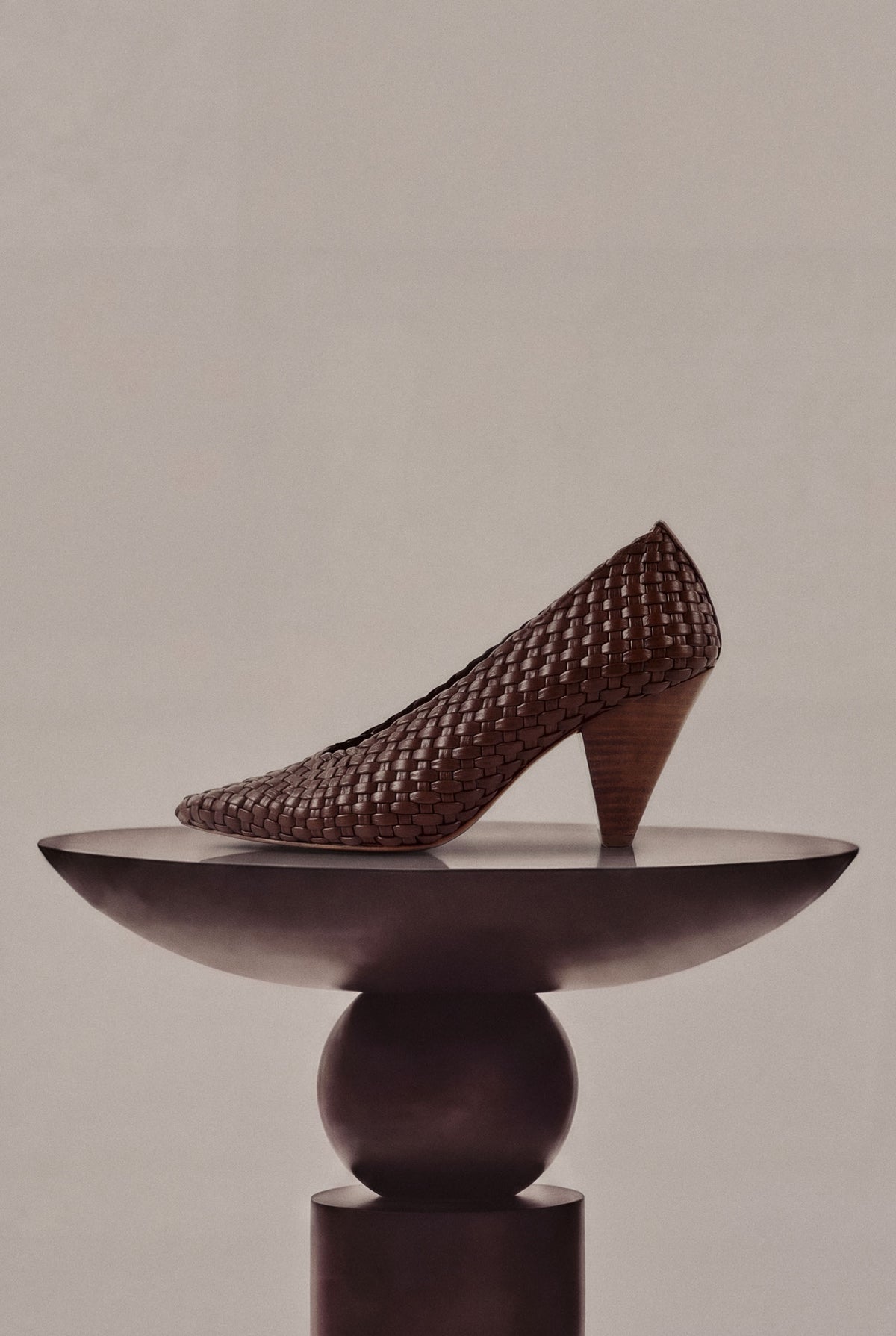
Remove dust with a very soft brush or a soft, dry cloth, following the direction of the weave. For a mark, dab with a barely damp cloth, without rubbing and without detergent. Never soak the weave.
Care
Woven leather needs nourishing less often than smooth leather: once or twice a year is enough. Place a very small amount of colourless cream on a cloth, never directly on the shoe, and apply it to the surface without working it between the strips.
Avoid waterproofing sprays, which can stain the weave. If a strip loosens or breaks, do not repair it yourself: entrust your shoes to a good cobbler.
Wear
Let your shoes dry in the open air if they get wet. Light shades may pick up colour from raw denim or dark fabrics.
Storage
Shoe trees or plain tissue paper, then one dust bag per pair, so that colours do not transfer from one shoe to another.
Cleaning
Wipe your shoes with a soft, dry cloth after each wear to restore their shine. For a mark, use a very slightly damp cloth, then dry immediately.
Care
Patent leather should never be polished: avoid shoe polish and standard creams, which dull its surface. Once a month, you may apply a dedicated patent leather care product with a soft cloth, in small circles.
Scratches and cracks in patent leather cannot be removed; for any significant mark, entrust your shoes to a good cobbler. On our Naplak styles (crinkled patent leather), the creases are part of the material and its charm.
Wear
Patent leather is sensitive to heat, which can crack it: never dry your shoes near a radiator or in the sun.
Storage
Store each pair in its own dust bag, away from other shoes: patent leather can stick to other materials or take on their colour.
A material that calls for care
Worn and cared for properly, our mesh stands the test of time. It remains more sensitive than leather, however: it can snag or tear, and calls for a little attention.
Putting them on
Slip your shoes on gently, holding them by the heel or the sole rather than by the mesh: rings and nails can catch the material. A shoehorn makes this easier.
Wear
To preserve the mesh, we recommend wearing these styles with toenails cut short, with smooth, rounded edges and no sharp corners. Nails that are too long or sharp rub against the toe of the shoe and can wear or tear the material.
Cleaning
Remove dust with a very soft brush or a soft, dry cloth. For a light mark, dab with a barely damp cloth, without rubbing. Never wash your shoes in water or in a machine. For a more significant stain, take them to a specialist dry cleaner.
Storage
Keep your shoes away from rough surfaces, zips and jewellery, which can catch the mesh. Store them filled with plain tissue paper, in their dust bag, with nothing placed on top.
Good to know
Our leather soles show marks from the very first steps: this is normal. Avoid wet surfaces, which damage them.
Wear your shoes a few times before having a protective sole fitted by a cobbler; never have one fitted on a new sole.
Repairs
For any repair, entrust your shoes to a good cobbler. If you are looking for one, our customer service team will be happy to share the details of the craftsmen we recommend.